





FEATURED NEWS



Automobile Technology
Scorched Earth Mechanics: The Ultimate Guide to Vehicles Built to Survive the Extreme Heat of Beer Sheva and the Negev
From cooling system architecture to transmission thermal thresholds—an engineering breakdown of which vehicles thrive in desert climates and how to shield your asset from the desert sun.
By POD7.live Automotive Desk
Driving in the Negev is not a casual commute; it is a daily endurance test for mechanical engineering. The geographic topography of Beer Sheva and the surrounding desert basin subjects vehicles to a brutal operational environment. With summer temperatures routinely breaching 40°C in the shade, ambient asphalt temperatures exceeding 60°C, and fine, abrasive loess dust constantly penetrating mechanical seals, an average vehicle's lifespan is drastically compressed.
For the residents of the South, a vehicle is a critical lifeline. Selecting a machine that can withstand severe thermal stress without triggering premature transmission failures, oil pressure drops, or electrical degradation is paramount. This investigative automotive guide deconstructs the exact engineering traits required to conquer desert heat and identifies the vehicle classes structurally built to survive.
I. The Anatomy of a Desert-Proof Vehicle: Core Engineering Criteria
When evaluating a vehicle's capacity to handle the structural stress of the Negev climate, standard marketing brochures are useless. True mechanical reliability under high thermal load depends entirely on four specific engineering subsystems:
1. Over-Engineered Cooling Systems (Radiator & Fluid Capacity)
The primary point of failure in desert climates is thermal saturation. Vehicles designed strictly for colder European climates often utilize compact, tightly packaged aluminum radiators that struggle to dissipate heat when sitting in standstill traffic on Route 40. A desert-ready vehicle requires a high-volume, multi-row radiator cooling system with heavy-duty, variable-speed electric fans capable of maintaining optimal engine temperatures even when the air conditioner is running at maximum capacity under full engine load.
2. Robust Transmission Thermal Management
Modern continuously variable transmissions (CVTs) and dual-clutch transmissions (DCTs) are highly sensitive to fluid temperature. When transmission fluid overheats, its viscosity breaks down, leading to internal slippage, accelerated wear, and immediate electronic limp-mode triggers. Vehicles utilizing traditional, torque-converter automatic transmissions or vehicles equipped with dedicated, auxiliary external transmission fluid coolers handle prolonged heat stress significantly better than uncooled, compact electronic gearboxes.
3. Air Filtration and Sealed Electrical Architecture
The Negev’s fine loess dust is a silent killer for both internal combustion engines and electronic control modules. Vehicles built with robust, high-capacity air intake boxes and tightly sealed, weather-stripped electrical junction blocks prevent micro-particles from fouling mass airflow sensors and causing critical electrical shorts.
II. Top Vehicle Categories Optimized for the Negev Climate
1. The Japanese Engineering Standard: Ultimate Thermal Resilience
Japanese automakers, particularly brands like Nissan, Toyota, and Mazda, have historically engineered their vehicles with a massive margin for environmental tolerance, largely due to their dominant market share in global desert regions like Australia and the Middle East.
+-------------------------------------------------------------------------+
|                  DESERT CLASS AUTO PERFORMANCE PROFILE                  |
+-------------------------------------------------------------------------+
| CATEGORY: Japanese Crossover / Utility (e.g., Nissan Qashqai / NV200)   |
+-------------------------------------------------------------------------+
| THERMAL RESILIENCE  --> High-volume aluminum blocks, rapid heat diss.   |
| AC EFFICIENCY       --> Fast cabin pull-down, high BTU compressors.     |
| MECHANICAL SEALING  --> Exceptional loess dust intake filtration.       |
+-------------------------------------------------------------------------+
- The Compact Crossover Class (e.g., Nissan Qashqai 2.0L): Vehicles utilizing naturally aspirated 2.0-liter engines paired with highly mature cooling loops offer an exceptional balance for southern drivers. The larger engine bay layout of a crossover allows for superior airflow around the engine block compared to cramped, turbocharged subcompacts. This ensures that essential components—like oil pressure switches, valve seats, and ignition coils—do not bake in stagnant heat cycles after the engine is turned off.
- The Workhorse Class (e.g., Nissan NV200 / Commercial Utility): For technical professionals and field operators working across southern job sites, commercial platforms are intentionally built with simplified, heavy-duty mechanical linkages. Their cooling loops are designed for prolonged idling with high-output air conditioning systems running simultaneously, making them highly resilient against sudden radiator blowouts or cooling hose degradation.
2. Traditional Naturally Aspirated Powertrains vs. Small Turbocharged Engines
While the global automotive market has shifted toward ultra-small, highly turbocharged engines (e.g., 1.0L to 1.2L turbo engines), these setups are fundamentally disadvantaged in extreme desert heat. Turbochargers operate at incredibly high temperatures, transferring intense thermal energy directly into the engine oil and cooling system. In contrast, larger, naturally aspirated engines distribute mechanical stress over a larger surface area, maintaining consistent oil pressure and preventing premature oil shearing under extreme ambient heat.
III. The Hidden Danger: Interior and Electronic Degradation
Desert survival isn’t limited to what is under the hood; the interior cabin and exposed exterior surfaces face severe UV radiation. In Beer Sheva, an unshaded vehicle parked outside can reach internal dashboard temperatures of over 80°C within two hours.
| Vehicle Component | Threat Level under Extreme Heat | Engineering / Defensive Solution |
| Infotainment & Android Systems | High – Causes screen delamination, CPU throttling, and system freezing. | Absolute deployment of high-grade, reflective front windshield sunshades; choosing premium head units with integrated rear cooling fans. |
| Dashcams & Body Cameras | Critical – Standard lithium-ion batteries expand, leak, or explode under extreme heat. | Utilize capacitor-based dashcams (such as premium VIOFO or 70mai models) instead of battery-powered units to ensure continuous recording without thermal failure. |
| Rubber Trim & Door Seals | Medium – UV rays dry out, crack, and dry-rot rubber, letting in road noise and dust. | Periodic application of silicone-based protectants to preserve elasticity and maintain a dust-proof cabin seal. |
IV. The Strategic Maintenance Blueprint for Southern Drivers
If you are operating a vehicle in the Negev, standard manufacturer maintenance intervals are wholly inadequate. To guarantee 100% reliability, you must adopt a "Severe Climate" preventative maintenance schedule:
- Bi-Annual Coolant Flush and Pressure Testing: Do not wait for a warning light. Have your cooling system pressure-tested every spring to detect micro-cracks in plastic radiator tanks or aging coolant hoses before they rupture on a remote desert highway.
- Frequent Engine Air Filter Replacement: Loess dust will choke an air filter within six months of heavy driving. Inspect the filter monthly; a clogged filter forces the engine to work harder, directly increasing internal operating temperatures and reducing fuel efficiency.
- Strict Oil Viscosity Management: Extreme heat demands uncompromised lubrication. Ensure you are using premium, fully synthetic oils that retain their structural viscosity at high temperatures. Check oil levels frequently, as high ambient heat can accelerate oil consumption through the PCV system.
V. Conclusion
The Negev desert does not forgive mechanical negligence. Whether you are driving a robust Japanese crossover, a heavy-duty commercial van, or a rugged 4×4, surviving the southern heat requires a combination of over-engineered cooling architecture and aggressive, proactive maintenance. By choosing platforms built for global environmental extremes, safeguarding your digital cabin electronics from direct solar radiation, and executing routine thermal system inspections, you ensure that your vehicle remains an unbreakable shield against the element

The Red Empire of the Negev: A Spectacular Season of Defiance and Glory
They doubted us, they dismissed us, and they tried to minimize everything we built. Yes, this is directed straight at the critics from Maccabi Tel Aviv and Beitar Jerusalem, who genuinely believed the Negev was nothing but sand and that our club could be easily overlooked. Keep talking, because while you were busy writing us off, we were busy conquering the pitch.

Here is a comprehensive, deep-dive feature article tailored for the high-quality, community-driven investigative and storytelling standard of POD7.live. This article highlights the extraordinary automotive collection of Oded Shriki, his deep roots in the Southern periphery, and his unique philanthropic gesture of opening his estate to local newlyweds.

Here is a comprehensive, deep-dive investigative article tailored to the sharp, independent editorial voice of POD7.live, addressing the reality behind the "Cyber Capital" narrative in Beer Sheva.

Selective Silencing: How the Suppression of the Right to Protest Strikes the Vulnerable First
Tour and Travels

If you think adventure is dangerous, try routine, it’s lethal
Good web design has visual weight, is optimized for various devices, and has content that is prioritized for the medium.

Travel doesn’t become adventure until you leave yourself behind
Good web design has visual weight, is optimized for various devices, and has content that is prioritized for the medium.

Someday I’m going to be free and I’m going to travel the world.
Good web design has visual weight, is optimized for various devices, and has content that is prioritized for the medium.
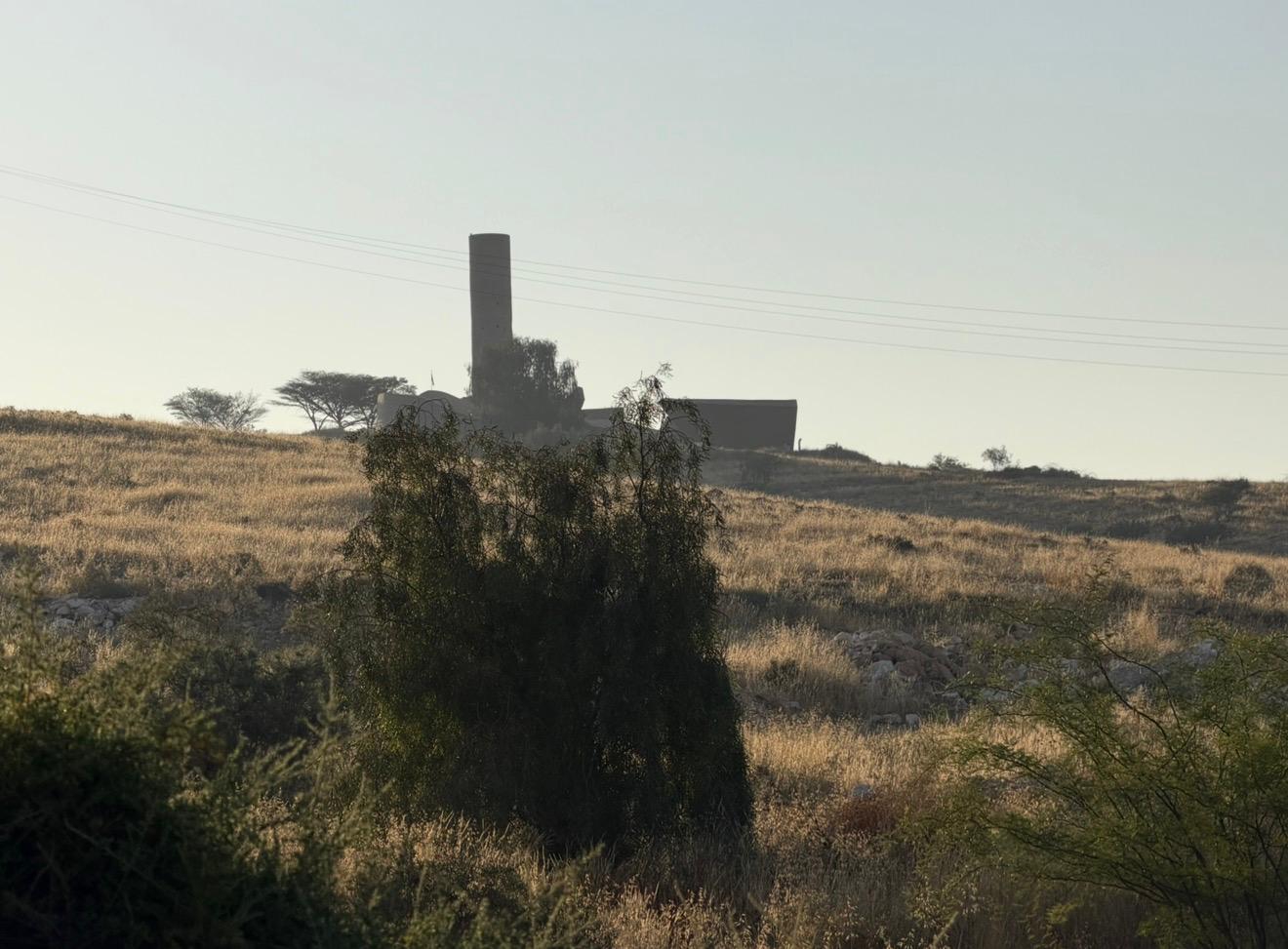
☀️ Rediscovering the South: The Ultimate Weekend Guide to Be'er Sheva's Monuments and Hidden Trails
Looking for the perfect Saturday trip? From the iconic architectural masterpiece of the Negev Brigade Monument to lush green eco-parks, Be'er Sheva offers a fascinating mix of history, nature, and raw desert beauty right under our noses.
Looking for the perfect Saturday trip? From the iconic architectural masterpiece of the Negev Brigade Monument to lush green eco-parks, Be'er Sheva offers a fascinating mix of history, nature, and raw desert beauty right under our noses.
By Pod7live Travel Desk Published: May 26, 2026
The Crown Jewel of the Desert: The Negev Brigade Monument
Perched high on a hill overlooking the entire city, the Negev Brigade Monument (Andartat Hativat HaNegev) is much more than a memorial—it is an international architectural icon. Designed by the legendary artist Dani Karavan between 1963 and 1968, this breathtaking raw concrete structure tells the heroic story of the Palmach's Negev Brigade during the 1948 War of Independence.
Walking through the monument feels like stepping into a surrealist maze. Kids and adults alike can climb the 20-meter-tall perforated tower, slide through the concrete water aqueduct, or look through the symbolic split bunkers.
- Pod7live Tip: Don’t miss the sunset here. As the sun dips below the horizon, the raw concrete glows in deep orange and gold, offering the most spectacular 360-degree panoramic view of Be'er Sheva and the surrounding northern Negev.
Saturday Trails: Green Oases in the Capital of the Negev
If you think Be'er Sheva is just sand and buildings, a Saturday morning stroll through its developing green spaces will completely change your mind. Here are the top two recommended routes for a perfect weekend:
1. The Be'er Sheva River Park & Lake
Spanning over 1,300 acres, this massive eco-project is one of the largest urban parks in Israel.
- The Route: A smooth, family-friendly walking and cycling path that loops around Israel's second-largest artificial lake.
- What to see: The historic Pipes Bridge (Gesher HaZinorot), beautifully restored Ottoman-era ruins, and vast green lawns perfect for a Saturday morning picnic. It’s quiet, refreshing, and entirely accessible.
2. The ANZAC Trail and The Turkish Soldier Monument
For the history buffs, a light trail connecting the Old City to the ANZAC Memorial Center is a must.
- The Route: Start at the Turkish Railway Station, check out the authentic steam train, and walk towards the Turkish Soldier Monument.
- The Vibe: This trail tells the dramatic story of the WWI Battle of Beersheba. It’s an easy, educational walk that pairs perfectly with a cold drink in the historic Ottoman streets of the Old City afterwards.
Planning your next Saturday adventure? Keep it local, explore the history, and don't forget to send us your best photos from the trails straight to our Pod7live WhatsApp desk!
Latest News
THE EXPANSION CONTINUES: Electra Acquires Control of Target Market in 160 Million ILS Deal
THE OCTOPUS OF ISRAELI RETAIL: How a Whistleblower's Two-Day Job Exposed Corporate Control, Monopolies, and Government Ties

Everything we see in the world is the creative work of women

Half of the people lie with their lips; the other half with their tears
In this country American means white. Everybody else has to hyphenate

About Author

Maria Shriver
Hi guys, I’m Maria a full-time Blogger & Writer. It is a long-established fact that a reader will be distracted by the content.